

Bob Brown
Ship name / Flight number: QF531
Arrival Date: 22/04/1971
b. 16 April 1955
I was born in Kinning Park, Glasgow, on 16 April, 1955, the youngest of four boys. One of my brothers caught meningitis when he was very young and spent most of his life in hospital. My oldest brother, Alex Brown, was also a Little Brother and migrated to Australia in 1966. My second oldest brother also emigrated to Australia, though not through the BBM, but returned to the UK.
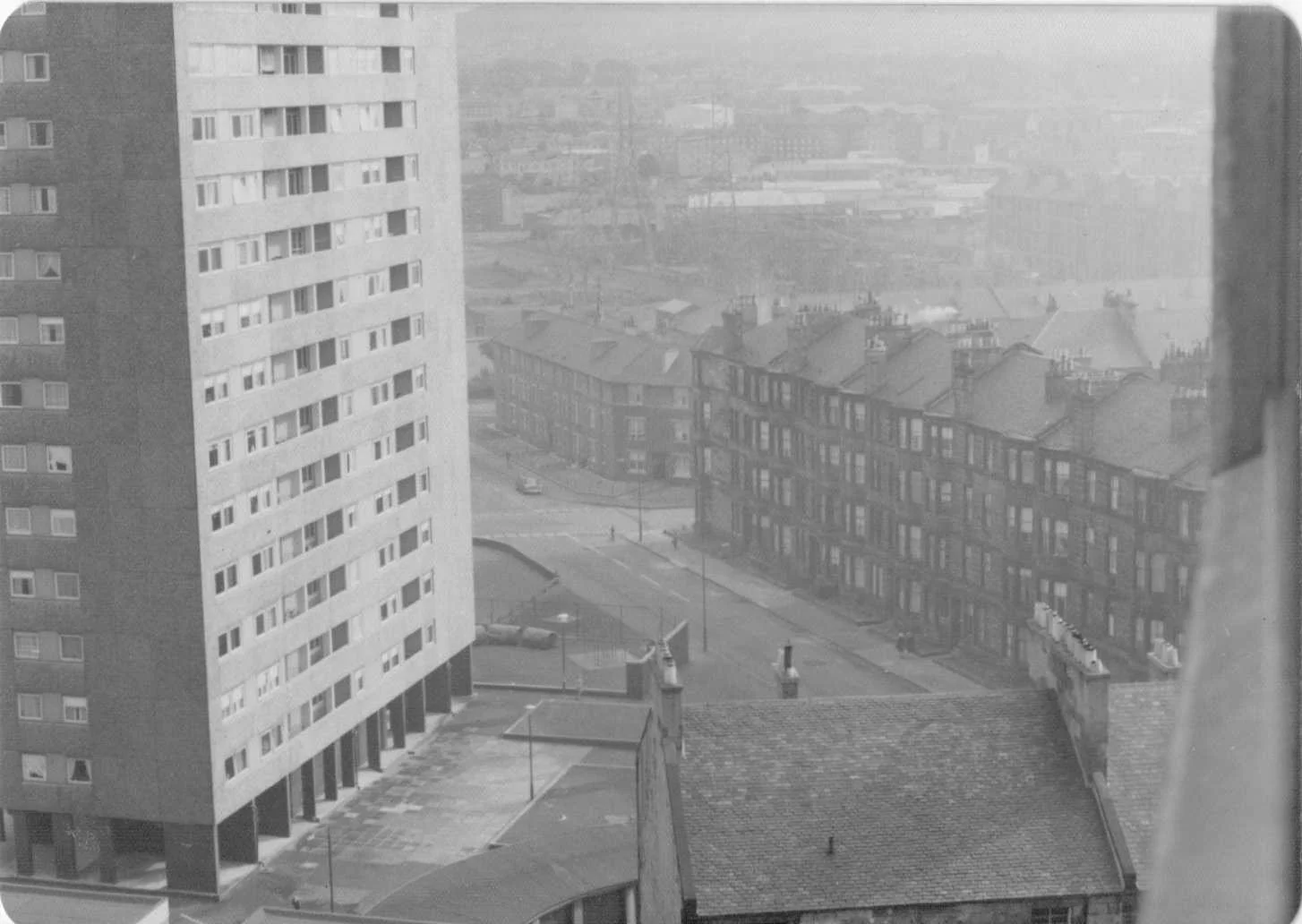
Kinning Park, Glasgow, 1972.
Both my parents worked: mum as a domestic cleaner and dad for the Singer Sewing Machine company. My father encouraged his sons to apply to the BBM because he strongly believed that we would have a better future in Australia. Looking back, I feel for my mother who watched all her sons move away.
My school in Glasgow was very rough. It was in the Gorbals area and I survived gang fights in the playgrounds with weapons, including guns. I started judo lessons when I was about 10 years old, partly so I could defend myself at school. I was quite good at it and won a few medals. When I was 15 years old, I left school and got a job as a sales assistant with a department store called Copeland and Lye. It was a big posh shop.
One of the reasons that I applied to go to Australia was because it was closer to the home of judo: Japan. I knew I had to stay in Australia for two years, but then I could go to Japan. However, I fell in love with Australia right away.
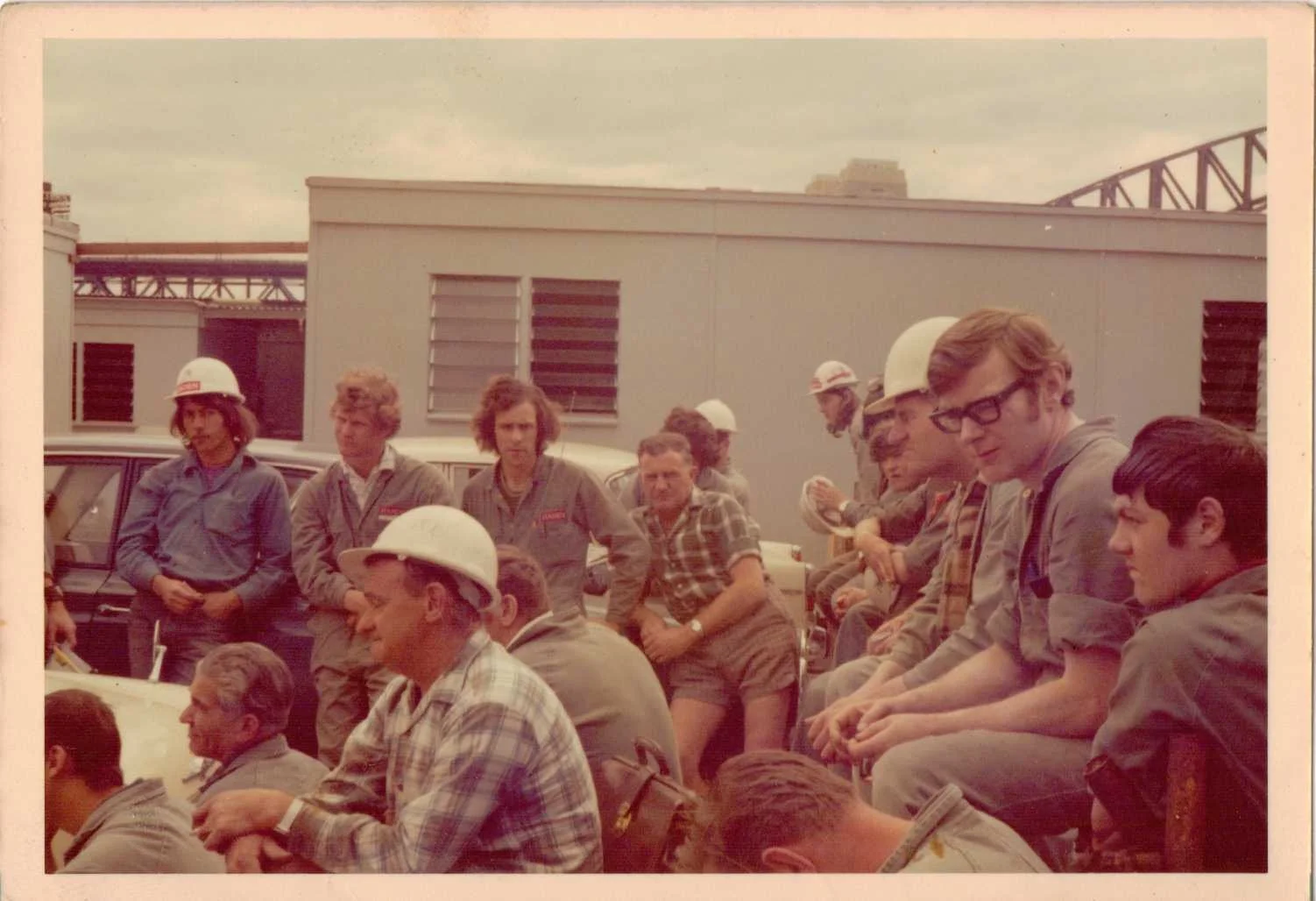
Some of the workers at the Sydney Opera House site, 1972.
I landed at Sydney airport in 1972. The BBM didn’t send me to work on a farm because they thought that my brother would look after me but when I got off the plane Alex told me we would live separate lives. He did, however, help me to get a job as a junior where he was working at the opera house installing air-conditioning for Haydon Engineering. I worked there for about a year and a half, then I got a job with Lowes in the tailoring department. I wanted to try lots of different jobs until I was 25 years old and then work out what I wanted to do.
Because I wasn’t going to the bush, I didn’t expect to encounter any wild animals. One day I was working at the opera house when this thing with teeth and fangs came flying past me and someone yelled ‘catch it!’ It was a possum, which I’d never seen before. I remember going for a bush walk and missing a heartbeat at the sight of a huge prehistoric looking lizard on a tree (a lace monitor).
I saw great opportunities in Australia. If you were young, and willing to work hard, your future was made by you. I didn’t have a lot to do with the BBM because I sort of didn’t need them. I found a place to live in Balmain when it was popular with cockroaches. I would catch the ferry to Circular Quay and walk to the opera house site. I don’t drink, but I discovered Australian finger buns. And lamingtons. I was doing so much judo training that I burnt off all the calories. I lived in Sydney for ten years and then moved to Brisbane for 15 years. I didn’t miss my family in Scotland that much. Apart from my mum, there really wasn’t anyone.
When I first arrived in Australia, I was advised by some other Little Brothers not to mix with people from Britain if I wanted to become an Australian. It worked and I tried to return my British passport after I got my Australian passport. I was so proud of being an Australian.
I embraced Australia’s love of sport and joined the YMCA in Pitt Steet about three days after I’d arrived and I’ve never looked back. Through the YMCA, I met the most outstanding Australians ever. They would take me home for dinner and basically adopted me. I owe them a debt. John Williamson sings a song called ‘True Blue’ and it’s like that – you do things for your mates.
I was selected to represent Australia in 1974 at the Judo World Championships in Japan, however, I had to become an Australian citizen first. I got my citizenship certificate, signed by Al Grassby, at a ceremony in Bankstown and took it to the passport office like a proud peacock. There is nothing quite like representing your chosen country and hearing your national anthem being played. Until recently, the only times I’ve cried in my life is when I heard the Scottish national anthem or the Australian national anthem.
I got married when I was 18 years old – they didn’t have much TV in the early 1970s! I would work and train in judo six days a week so I wasn’t around my wife and young daughter, Jenny, very much. This strained our relationship. My wife asked me to stop doing three things to save our marriage: judo, youth work at our local Anglican church, and believing in God. I agreed to stop doing the first two, but I couldn’t give up the third, because that’s an integral part of who I am. I went to work on Monday and when I returned, the flat was cleaned out. The food that was in the fridge was left on the sink.
According to the terms of our divorce, the court required me to pay child maintenance and spousal maintenance and allowed me to visit my daughter. I was paying the money but my ex-wife wasn’t letting me see our daughter.
My father emigrated to Australia in 1976 and he wanted to meet his three year old grand-daughter. I wasn’t allowed in the house, so I stood on the other side of the road while my father went in to meet Jenny. Jenny’s maternal grandfather was staying there and he thought it was wrong that I was prevented from seeing my daughter so he brought her outside to see me.
When I reported this lack of access to the court, they said they had no way of enforcing the visits. I refused to pay maintenance if I wasn’t allowed to see my daughter. My lawyer advised me to go away for a while to avoid being served with a court summons. I went to Brisbane in 1982 but I didn’t get to see my daughter for another seven years.
I met some more wonderful people in Brisbane and continued with my judo. I met another woman who was also into judo and we got married and had two children. Everything was fine for 15 years but instead of being a sport-acholic, I became a work-acholic. I was selling insurance and working very long hours. My wife asked me to leave – she wasn’t interested in negotiating.
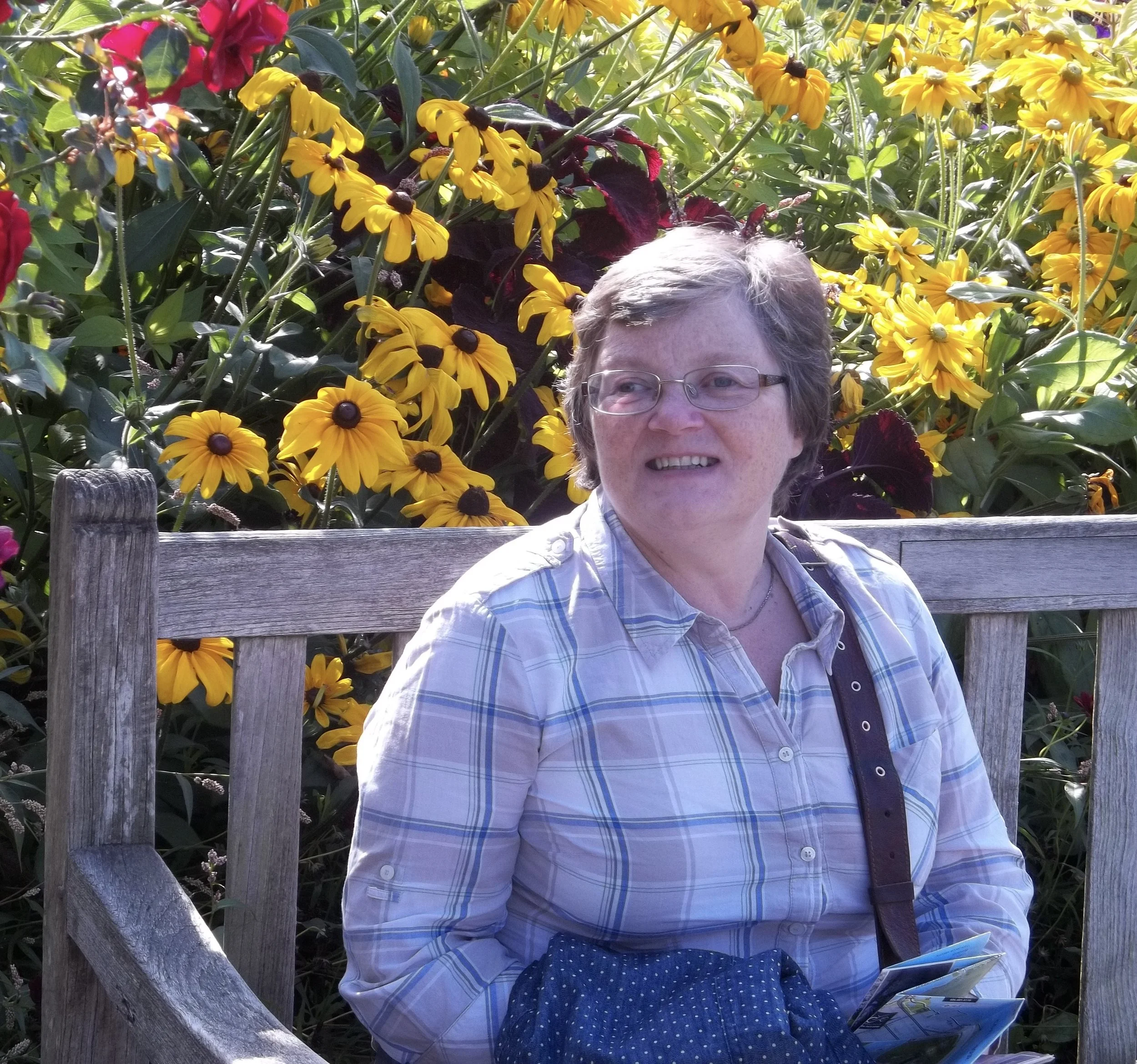
Elizabeth Brown, 2023/4
I was working at David Jones in the computer section and paying my child maintenance. I was ahead in my payments, which the Child Support Agency didn’t like because it didn’t suit their operating model, which was based on chasing payments. They advised me to retire, which the Commonwealth Employment Service disagreed with. In frustration, I decided to return to the UK for a while. When I received a letter from my second wife hinting that if I came back to Australia, we might be able to patch up our marriage, I took that opportunity. My two children greeted me enthusiastically at the airport but my wife didn’t. I knew then, that our marriage was truly over.
I got a job with ComTech computers in Brisbane. After about six months, the manager decided to expand the company to London and because I was a dual citizen, I didn’t need to get a work visa. I moved back there to set up the London office and met my third wife. We both attended the Wadsworth Baptist Church. Elizabeth had no airs and graces and had never been married. I fell head over heels in love with her. She accepted me with my chequered romantic past and we married on 18 April, 2000, two days after my birthday. We had a great life together for 26 years.
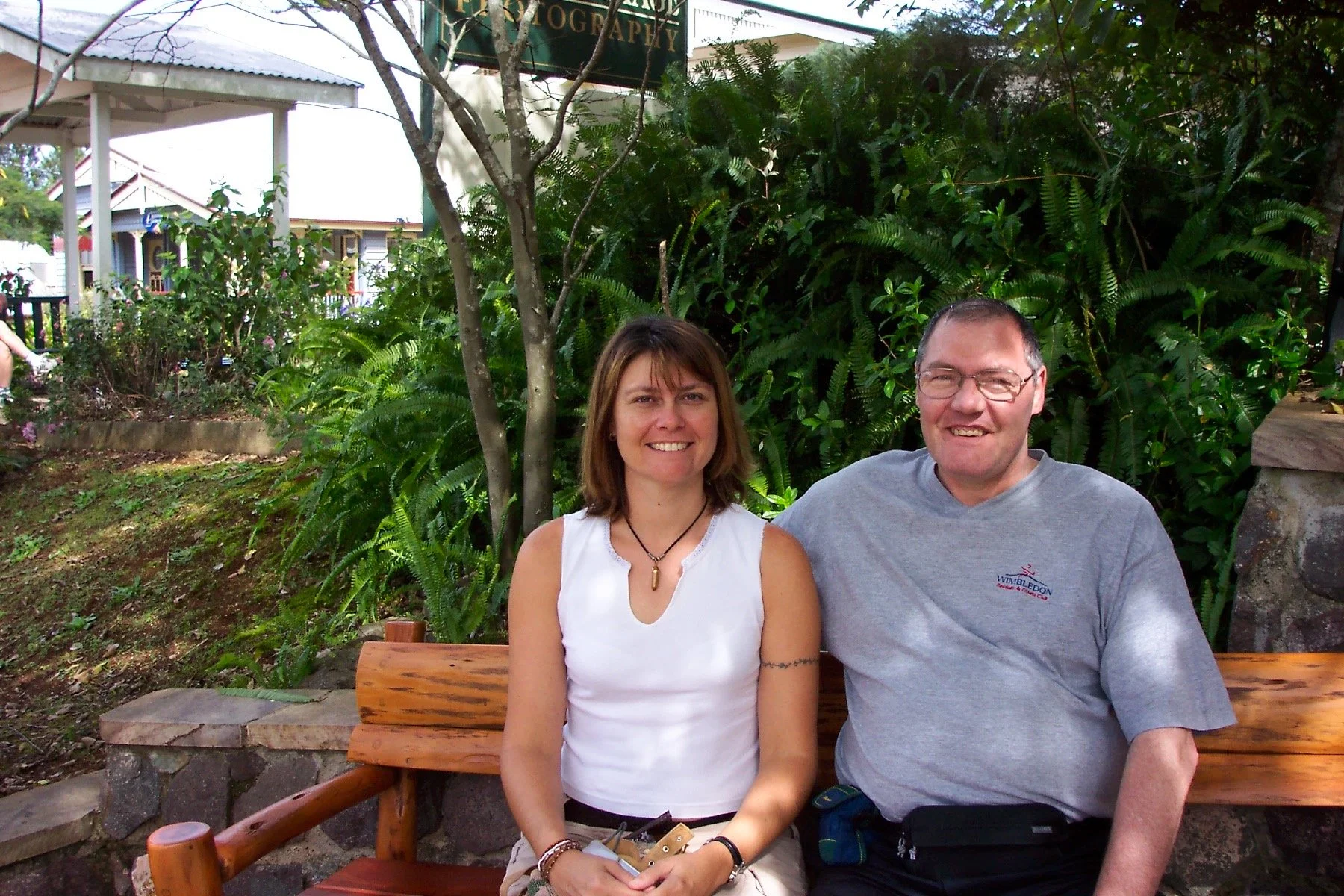
Jenny and Bob, 2023/4
Elizabeth worked in libraries for 40 years and retired to care for her mother. After her mum died, the doctors found a growth in Elizabeth’s left eye that turned out to be malignant. She chose to have her eye removed but they still had to find the source of the cancer. Tests showed cancerous cells in her brain and left lung and she had radiotherapy and chemotherapy without success.
Next, she tried a stronger form of chemotherapy but it knocked her for six. Elizabeth came home for ‘comfort care’ and the doctors told me that she’d have three weeks to live. I cared for her at home for two weeks with nurses coming in regularly to help me. I hated the way the nurses would talk about Elizabeth in her presence, knowing that she could hear them, but couldn’t respond.
Elizabeth moved to a hospice for what would be her final week and the staff were excellent. I could now be her husband again and let them do the nursing care. Despite the high doses of morphine and penicillin, I could tell she was in pain. Elizabeth died on 5 July 1925 at the age of 64 years. Cancer has no respect for anyone.
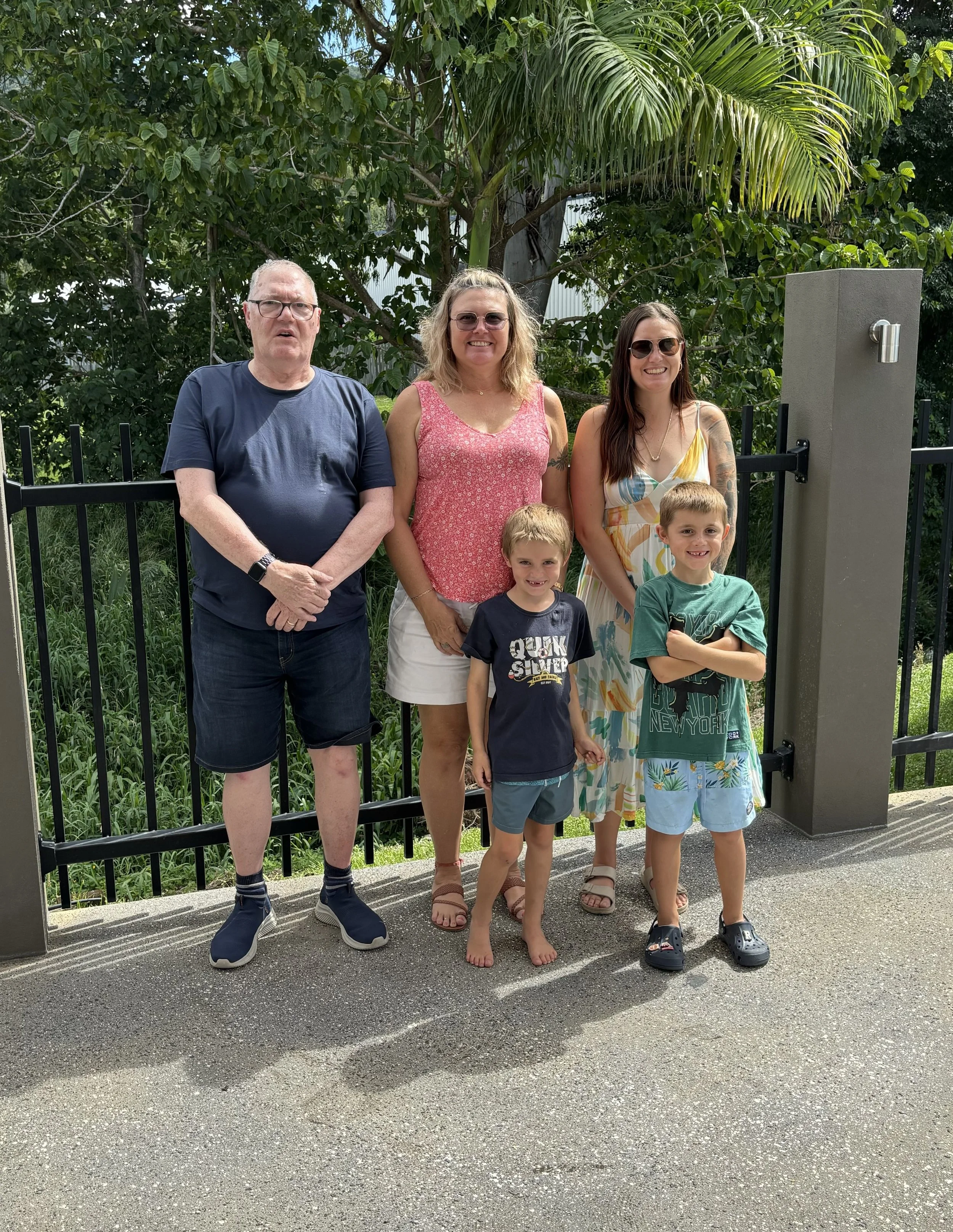
Bob (left), Jenny (right), and Jenny’s daughter, Ryley (middle) with her two sons (front)– three generations at Airlie Beach, Qld, 2023/4
God works in mysterious ways. Now I can’t get into heaven. Whenever I think I’m ready to die, she goes to see St Peter and says: ‘don’t you dare let him in, I’m having too much of a good time here’. (only joking, I will get in)
It took me about six months to get over Elizabeth’s death and sort out her affairs. After this, I decided that I wanted to see my daughter, Jenny, because I needed a hug.
Jenny and I were able to develop a relationship from the time she was about 16 years old. This is how it happened. Jenny wrote a letter to my judo coach’s wife, Marguerite, in Sydney, who was keeping in touch with her. The letter said that she wanted to meet me. I had put my feelings for Jenny in a box and put it away in the back of my mind, because this allowed me to get on with my life. When Jenny contacted me, I had to decide whether to open that box and risk getting hurt.
I was living in Brisbane but I agreed to meet Jenny (and my ex-wife) at my coach’s house over dinner. When Jenny asked me why it took me so long to contact her, I set her straight and reminded her that she had contacted me! I realise now how much this must have hurt her, but she kept in touch and introduced me to her three children. I tried to keep her at arm’s length, because I didn’t want to get hurt. Gradually, Jenny broke through the barriers I was putting up.
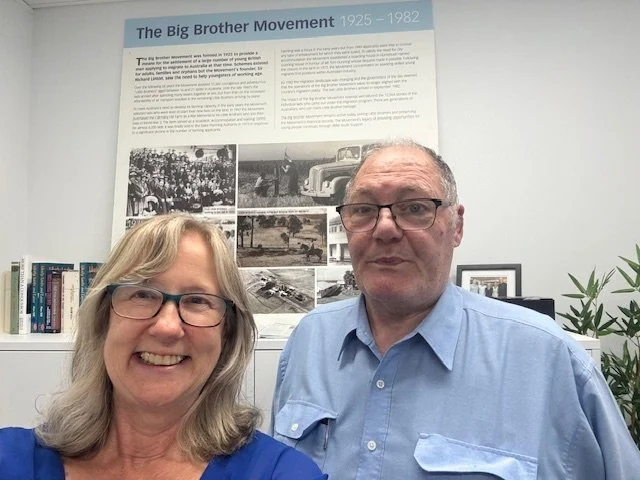
BBM’s CEO, Suellen McCaffrey and Bob Brown.
When I went to England to set up the Comtech office, we would keep in touch via a monthly email. One month, I was too busy to send an email, so Jenny sent me a ‘snail mail’ letter to say that my email must be broken, and to check on it. Until then, I didn’t realise how much she valued hearing from me.
I took Elizabeth to Australia to meet Jenny and they got along really well. Being a librarian, Elizabeth would read books to her children. We went to Byron Bay to show Elizabeth some real beaches – long and sandy with crystal clear water, unlike the beaches in England that are made of shells and pebbles with filthy water. I love Australia, and I relished introducing Elizabeth to all the things I loved: lamingtons, beautiful beaches, and the smell of eucalyptus. When you come back from anywhere, the aroma of eucalyptus leaves just hits you. It’s magic. It’s Australia.
I could have retired in Australia but I didn’t want to take Elizabeth away from her family and friends and everything she knew in England.
After Elizabeth died, Jenny wanted to do a father-daughter trip in Europe. I was dead scared because I didn’t know what that meant. I agreed and we must have visited every ruined castle in Scotland and Europe. We discovered that we have similar mannerisms and ways of sitting.
In 2026, I travelled to Australia again to see Jenny. I bought her a mug that says: ‘I smile because you’re my daughter. I laugh because there’s nothing you can do about that.’ We share the same sense of humour.
When I arrived in Sydney in 1972, people called me a Pom and I told them I was a Scot. I was born in Scotland but Australia made me. The people that I met here nurtured me to be the best ‘me’ that I can be. I owe the BBM a debt that I can never repay. The BBM took a chance and brought me out to Australia. I have met some fantastic Australians who took me under their wing and helped me without expecting anything in return. I am still in love with the place.