

Richard Parmenter
Ship name / Flight number: RMS Strathmore
Arrival Date: 23/04/1961
Richard Parmenter b.1945
I am a Welshman by birth, but an Australian by choice. My mother worked as a bus conductor in Cardiff and my father was a regular in the British navy who served on the battleship HMS Resolution during World War II. I grew up with tales of how his ship was torpedoed by a French submarine and taken to Gibraltar for repairs. My father was injured a few times but able to participate in the D-Day landing convoy and re-joined our small family at the end of the war.
My older sister was born in 1943, and I was born on 18 February 1945. I also have two younger sisters. Unfortunately, my mother had severe mental illness and after trying to help her with medications, her doctors experimented with a frontal lobotomy. This caused her to lose all sense of proprietary. Living with her was like ‘walking on eggshells’ because we didn’t want to trigger any wild behaviour. When she lost it, she would pull my hair and push me to the ground and kick me. I knew she wasn’t ‘in her right mind’ but it affected me. My family was torn apart when I was ten years old – my two youngest sisters, one a baby of four months, were given to foster parents.
In the 1950s a man wasn’t allowed to care for his own children and my eldest sister and I were left with our mother, even though she was no longer capable of caring for us. My mother deserted my sister and she went to stay with family friends when I was about 13 years old.
The following year, my mother took me to London when she went to see a solicitor with my father. Out of the blue I said: ‘I’m going home with dad’. I moved to Whitstable in Kent, where my father was living with his new, much younger wife. She wasn’t happy to have me there and didn’t make my life easy. My father was more authoritarian than loving – it was always ‘yes sir’ and ‘no sir’ around him.
I missed a lot of school during this turbulent time. I always knew I needed an education and hoped I could catch up. I left school when I turned 15 years old because I needed to earn money, not because I wanted to. I wanted more education – I felt I needed it.
If I wasn’t at work, my father would sometimes invite me into his workshop. I was thrilled by this because I wanted to get to know him better and earn his respect. However, his twin brother, my Uncle Jack, would often turn up and I was ignored. This was very disappointing for me.
I used to visit an elderly lady, Mrs Wilkinson, who lived on the coast in Kent. She was a good listener and I could tell her all my troubles. When I was 16 years old she suggested that I emigrate to Canada. I didn’t want to go somewhere cold, but it put the idea in my head.
My family had talked about emigrating to Australia about ten year earlier, and I remembered the pamphlets that I’d seen around the house. I decided that Australia would be a good place to start a new life, far away from all the nastiness of my current life. I spoke to my father, and he said that he’d give his consent, but only if I had a job to go.
I didn’t know how I could get a job in Australia while I was in England. I went to my local council office looking information and found a pamphlet about the BBM. I applied in October 1960 and was sent a train ticket to go to London for my interview. Since I was forced to be independent from a young age, I went to the interview by myself. I waited and waited for over six weeks to hear if I’d been accepted. I was giving up hope when a boat ticket arrived in the mail!
I was booked to sail on RMS Strathmore on 17 March 1961, about one month after I turned 16 years old. My father and elder sister travelled to London with me the day before our departure, but my father didn’t bother to come to Tilbury Docks to see me off.
If the Royal Airforce hadn’t lost my paperwork, I might not have come. At the same time that I applied to the BBM, I applied to join the RAF as a radio and radar technician. I was doing night classes in electronics at a college in Chislehurst, Kent. I was doing really well with top marks of 95-98%, but my father pushed me so much that I burned out. While I was waiting to hear from the BBM, I phoned the RAF but they had lost my application and asked me to re-apply. Fortunately, the BBM accepted me and I docked in Sydney on 23 April 1961, the youngest of 15 ‘Little Brothers’ on the boat.
I spent more time at Calmsley Hills farm than most. This was because I contracted a mysterious illness between Fremantle and Melbourne. When we disembarked in Melbourne, the ladies from the Victorian League for Commonwealth Friendship took us on a bus trip around the city and I commented on how lovely the houses were. I was surprised to hear that we were in the poor part of the city! We went to the Coles Cafeteria for lunch and I had a tremendous nose bleed. John McIntosh, our escort, hailed a taxi to take me back to the Strathmore. The ship’s doctor diagnosed bronchitis and gave me three injections of penicillin using thick needles. I was still very crook by the time we docked in Sydney and stayed at the BBM farm for five weeks trying to recover. By then, the next boatload of Little Brothers had arrived, and they wanted me out of the way.
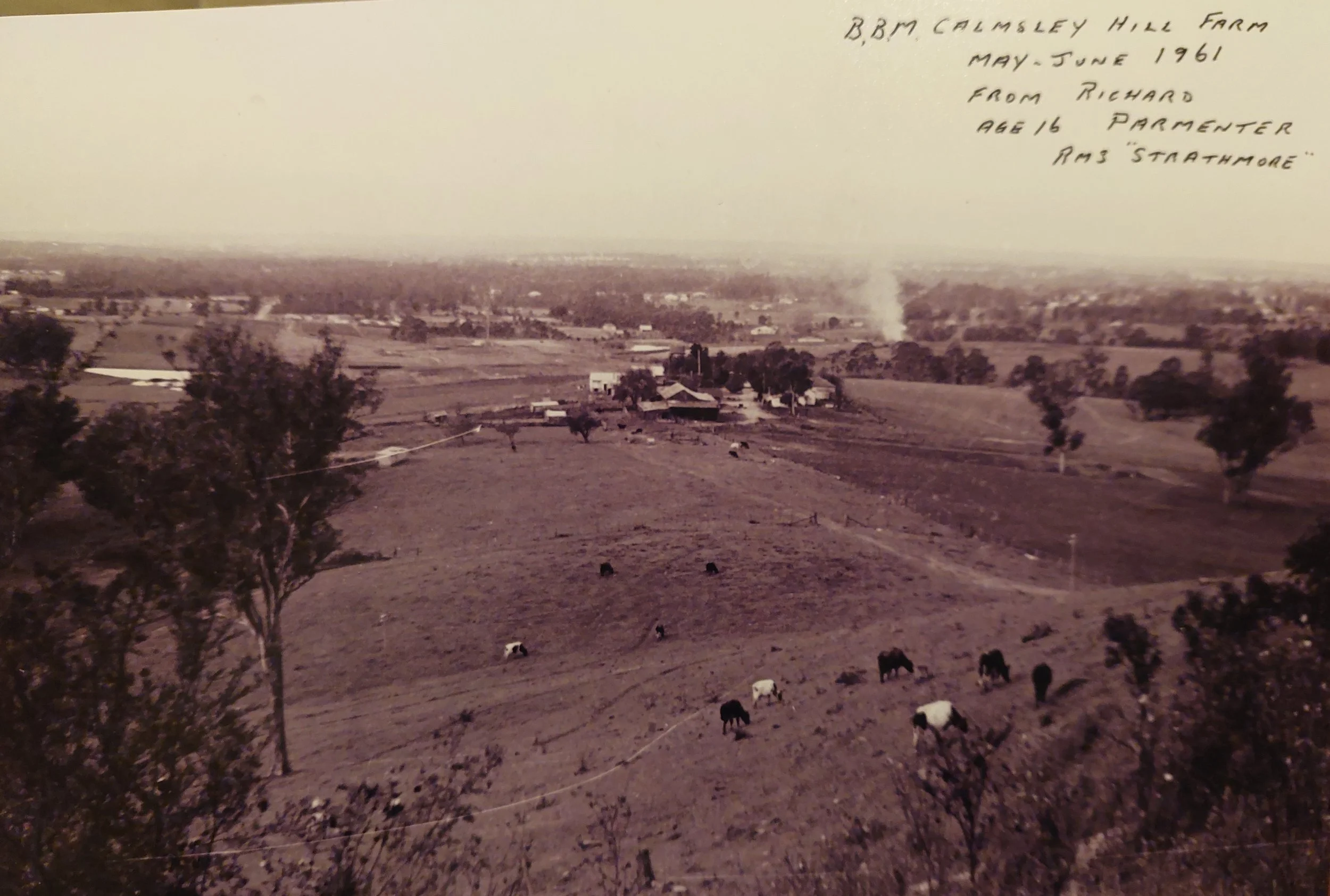
I was sent to work on a sheep farm called ‘Nyleta’, which was on the Temora Road about 12 miles outside of Young. Mr and Mrs Stan Hartnett were nice people. If they were going into town, they’d take me with them. If they were going to a dance, they’d take me along. I worked very, very hard for them; I even worked on Christmas day! When they went on a holiday for two weeks to Townsville, they left me in charge of the property, confident that I could look after it. I was only about 17 years old and I was there by myself.
After I’d been working there for about two years, I came back to the homestead at 5pm one evening because there were too many mosquitoes in the paddock to keep working. I had a wash and put my tools away and went to the main house. Mrs Hartnett asked me what I was doing home so early – normally I finished at 7pm. She wasn’t sympathetic when I said I’d been driven out by mosquitoes. Overnight, I thought about the long hours I’d been working for the past two years for little thanks or income, and I gave notice the next day. (I found out many years later that the farm made a big profit while I was working there).
My next job was at Redbank station outside of Harden. I only stayed for three months because I didn’t like the way the manager treated his wife.
I moved from sheep to dairy farming for my next job with Alex and Sheila Rhodes. The hours were long – up at 5am and we didn’t finish the evening milking until 7-8pm at night – but I could have a break during the middle of the day. They gave me a lovely room and they were very nice people. They also went away for ten days and left me in charge – I was worn out when they came back! But they were happy with the way I had managed the farm.
I bought a car before I moved to their place outside of Young, which gave me a bit more independence. I made some friends in Young and they wanted to start a band. I used to play the guitar (that I brought with me from England) but I didn’t think I was good enough to perform. My friend, Michael Cunningham, nagged and nagged me, until I gave in. He rounded up four friends to practice together and we started playing covers of popular songs in dance halls in Young, Cowra, and Cootamundra. I was the lead guitar and we christened our band ‘The Renegades’. We had a band manager who helped us to get gigs.
While I was working for Alex Rhodes, I got a hernia. I had to take time off work to get it treated and he was going to turf me out because I wouldn’t be able to work. Fortunately, I knew my rights and told him that I was entitled to get it fixed under workers compensation. I left soon after this, however I kept in touch with them. Alex died when he was only 65 due to bone cancer. Sheila lived to a good age and died around 2020. I continued to visit her whenever I was passing through Young with my wife and four children.
After working such long hours on the dairy farm, and playing in The Renegades on weekends, I wanted a change of pace. I found a job selling electrical goods with Hammond and Hanlon in Young. Retail jobs didn’t come with housing (like farm work did), so I boarded with the family of the bass player in our band. Central New South Wales was going through a drought and people were saving money and not buying electronics. The manager had to cut staff and since I was the last on, I was the first off. I was out of work for about a month. This was very hard for me as I had never been out of work before.
Next, I moved an hour north to Cowra to work in a hardware store. I met a young lady there and was very fond of her. When her mother and siblings moved to Grafton, she stayed in Cowra to be near me, but then it all fell apart.
I decided that there were too many memories around Cowra and Young and that I would keep moving north to Grafton. I was saving my pennies for the trip when her brother turned up at the hardware store and asked me to take his sister to Grafton with me. He lent me the money to come as soon as possible.
After working at a laundry in Grafton for a while, I got an apprenticeship with Harvey Brothers Jewellers learning how to repair clocks and watches. I It was going well, until they told me they were going to sell the business and they wouldn’t need me, so I had to find another job.
I worked at F.R. Blood Menswear shop in Grafton for 12 months, but that business was sold, too. I applied to be the manager of the Singer sewing machine shop, and I couldn’t believe it when, for the third time, a business was sold while I was working there. I was asked to buy the franchise, but I declined because the rent for the shop was too high.
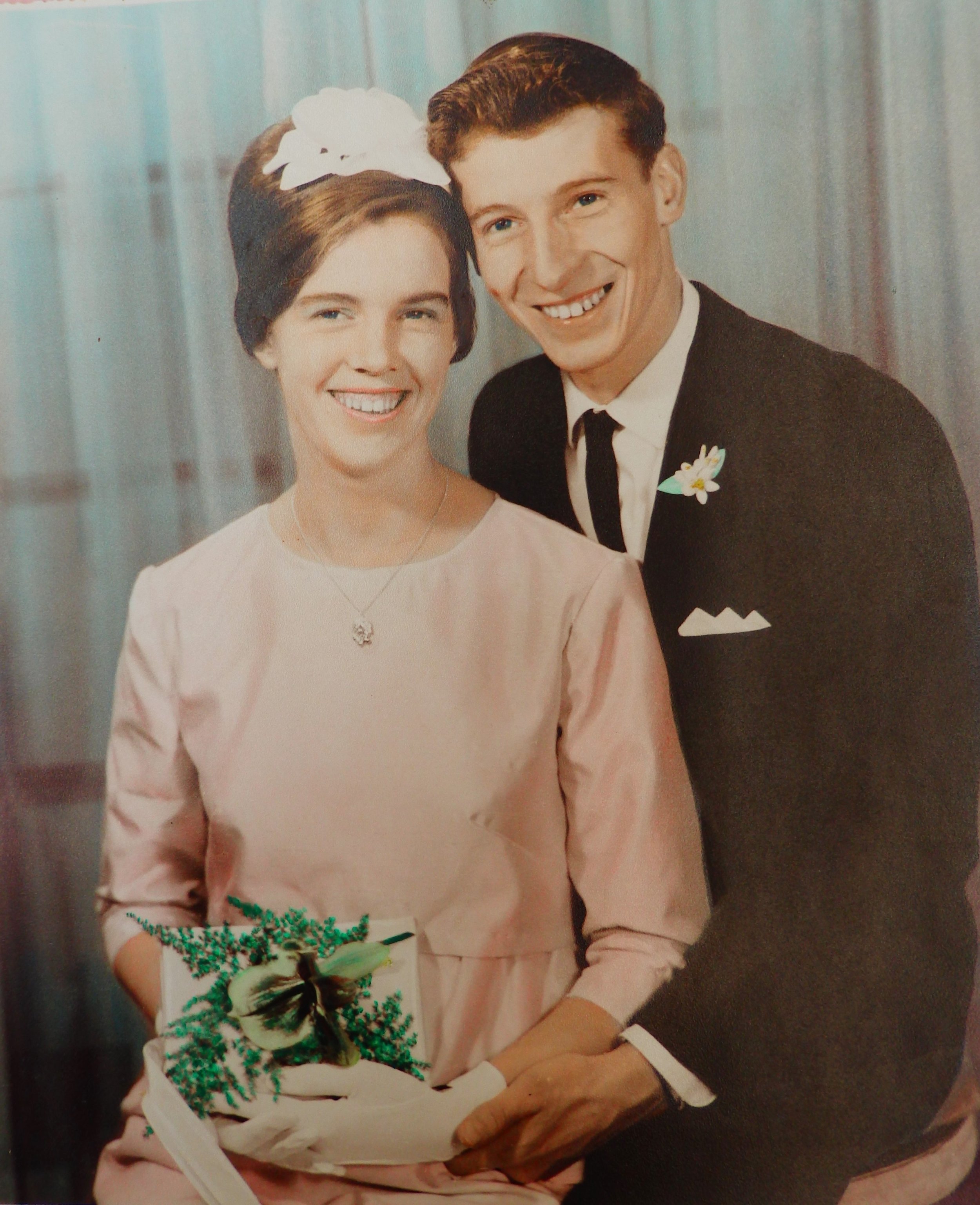
While I was in Grafton, I attended the Anglican cathedral and the deacon ran a youth group that met after church. On a freezing cold night, he invited Ena, my friend Phil, and myself around for dinner. Looking back, I think he was matchmaking! Ena was working and boarding at the hospital and planning to ride her bike home. I offered to give her a lift back to the hospital since it was so very cold. If she’d said no, we might not have got together! We married in the cathedral on 8 July 1967 and we’ve been together ever since.
When our first child was born, I was over the moon. Finally, I had my own family. Ena and I have four children including twins – a boy and a girl. My wife’s family had a large property at Whiteman Creek, just north of Grafton and we bought 40 acres of it. I built a concrete block house for our family on the land, even though I had never laid a brick in my life! I like the temperature in Grafton; you notice the change of seasons but it’s never freezing cold like it is in the UK or the outback.
My father-in-law used to cut tea-tree for a living, so I helped him with that business for a couple of years. Then Michael Cunningham, whom I was in The Renegades band with in Young, offered me a job selling insurance door-to-door for MLC. It turned out to be the worst job in the world for me. One day I knocked on a door and told the lady who opened it who I was, and she burst into tears. Her son had been killed in a fight the night before! I felt awful. When I knocked on the door of a painter and he offered me some work painting with him on weekends, I jumped at this possible escape path.
I liked painting houses because you could see the tangible results of your labour and it made customers happy. Painting with Andy Russell was rewarding and when he decided to retire, I bought his business. I set up Dick Parmenter’s painting and decorating. I was often called back to the same houses after ten years because I did a good job. People trusted me to choose the best colours for them if they didn’t want to choose them.
In 1987 and 1989, I took Ena back to Wales and England to meet my family. I had forced myself to adopt an Australian accent because when I asked girls to dance in rural NSW, they could tell I was foreign from my accent but they couldn’t work out where I came from, and they often declined the dance. I decided that if I wanted a girlfriend, I needed to lose my accent. When we were in Wales, after hearing the lilting way people spoke, Ena said that she wouldn’t mind if I got my Welsh accent back!
After our children grew up and left home, Ena and I travelled around Australia for ten years, first in a caravan then a motorhome. Ena was a specialist nurse who worked in operating theatres for most of her working life and she was employed by a service that provided locums. She could ask for work where we wanted to go.
When we were in Darwin, I drove Ena to her interview at the Darwin Private Hospital. While I was waiting for her, I asked the nursing manager if there was any work in town for a painter and decorator. He introduced me to the CEO of the hospital, Robyn Cahill, and she asked me to paint the whole hospital! I helped them to save money by buying paint straight from the supplier rather than the hardware. Robyn gave me a $5K bonus when I left and a wonderful reference. We still keep in touch every Christmas. Ena and I stayed in Darwin for six months because the people we met at the hospital didn’t want us to leave.
I have tried to keep in touch with, or re-connect with my family in England. In 1969-70, I sponsored my eldest sister to emigrate to Australia with her husband and son. They stayed in Grafton for a while and I remember frantically driving her to the hospital for the birth of her daughter. Her husband was a plumber and they moved to Sydney for his work. My sister died when she was 71 years old and I miss her a lot.
When I visited England with Ena, I re-connected with one of my younger sisters, but the other one didn’t want any contact with her family. I’ve written to her quite a bit over the years, via her daughters. I thought I should let her know that there were heart problems in our family. She hasn’t replied, which hurts. She doesn’t know me and hasn’t given me a chance. I used to push her in the pram when she was little. I’d like to know if she’s happy.
I used to write to my father and he came to visit after I built the house on the farm at Grafton. He would stay with us for a week and then stay with my sister. Despite my efforts, I never seemed to be able to get to know my father. He was very reserved and hard to get to know.
I think I came to understand him more than most people would. When we went to England, I found out that he was my paternal grandfather’s whipping boy. Serving on a ship that was nearly sunk in World War II, seeing your friends killed – it takes a lot out of you. Dad knew people who were aboard HMS Hood which was sunk by the Bismarck with only two survivors. Having his children taken off him when he wanted the family together would have wounded him too.
When I look at a photograph of myself at 16 years of age, I can’t believe I was that young when I came out here. When my son, Glenn, was 16 years old, I couldn’t imagine letting him go to the other side of the world!
In 1982, 21 years after coming to Australia on the RMS Strathmore, I became an Australian citizen. Coming to Australia with the BBM was the best thing I ever did. The second best thing was driving Ena back to the hospital that cold night.
This account is a condensing of nearly 82 years of life. Of course, readers would realise there is so much more to it – some funny, some tragic, some highly satisfying – most of it rather mundane, such is life for us all!
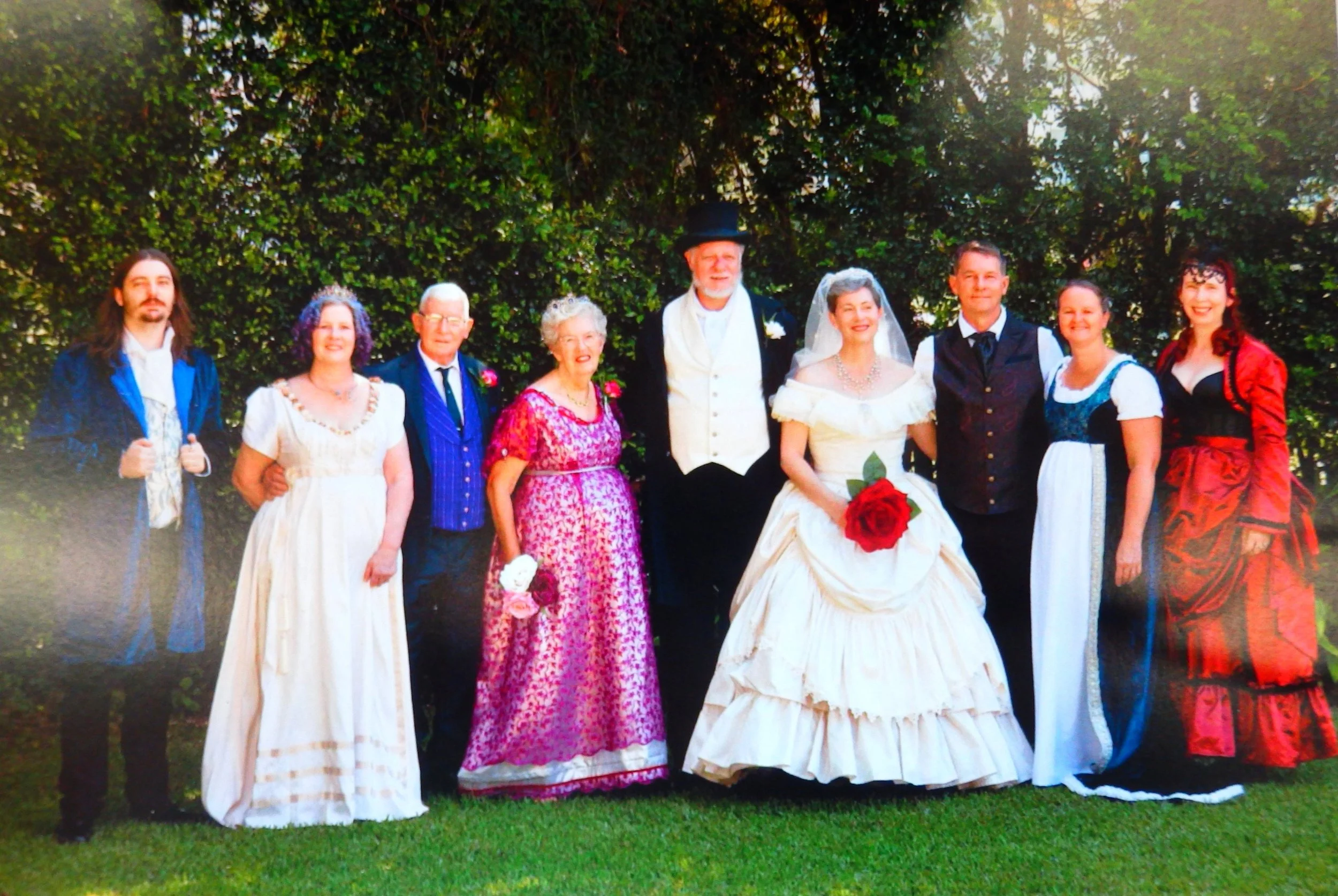
A gathering of the Parmenter family in April 2025. Richard and Ena are 3rd and 4th from the left.